2 experimentally studied proteins
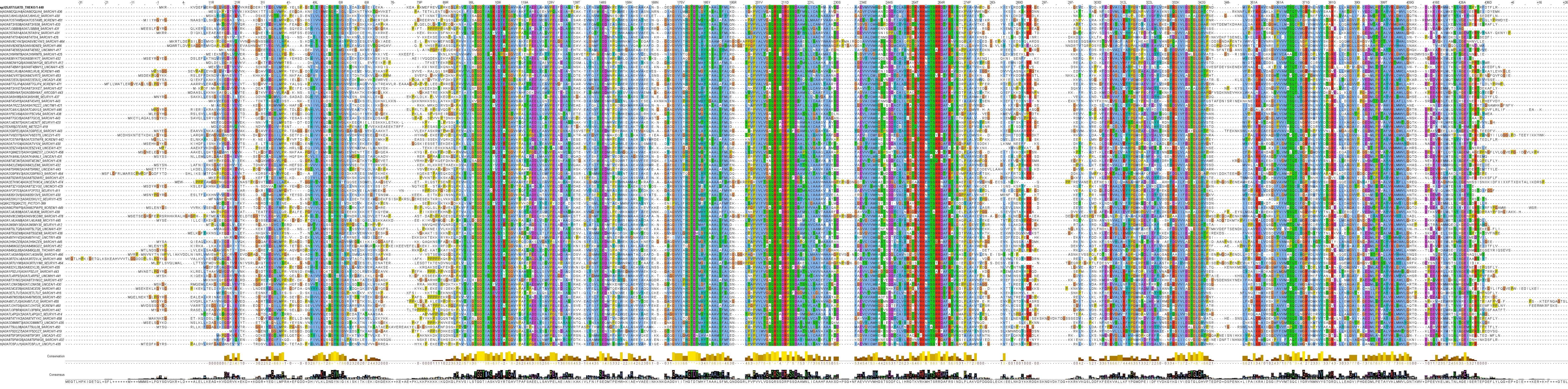
38 sequences in Swiss-Prot
3,837 unique sequences in UniRef100
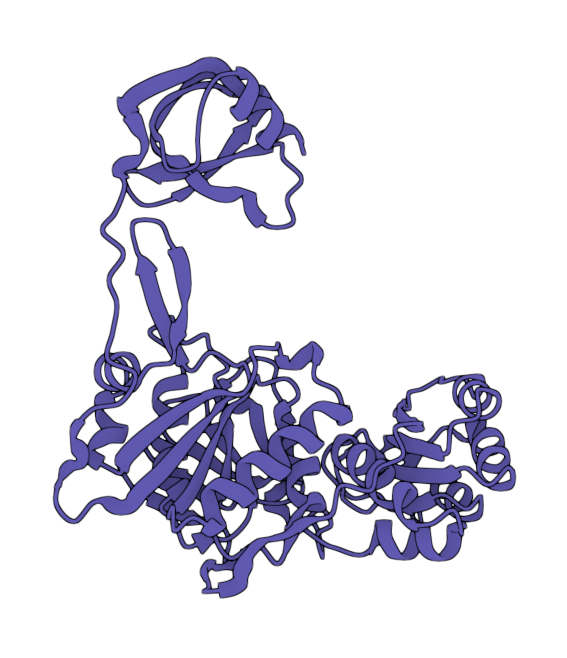
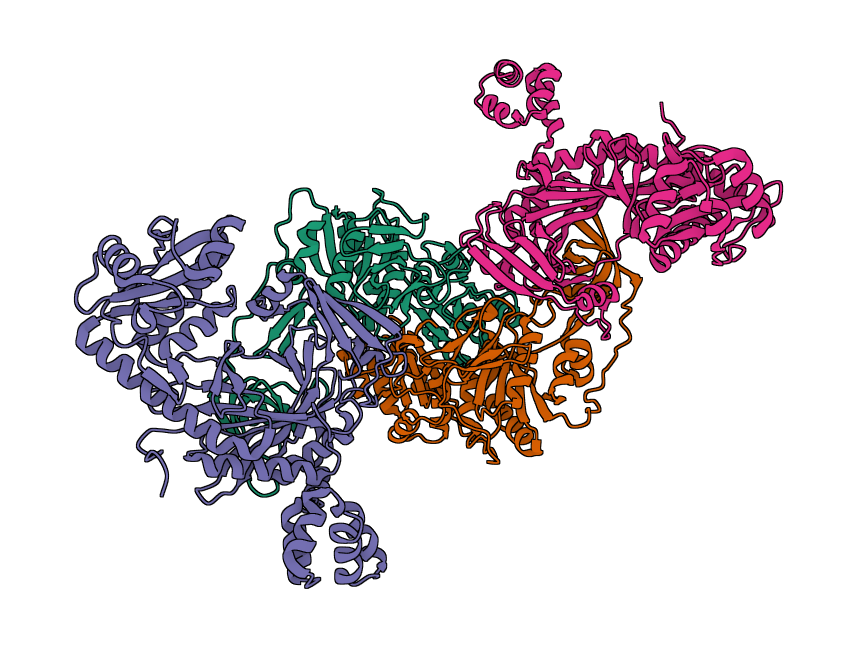
The Glutamyl-tRNA amido-transferase subunit D family, a group of achaeal enzymes that also contain the Class 1 asparaginase domain
Could also have l‑asparaginase activity and high affinity to l‑asparagine
| Fam ? Class - Clan - Family | Alt ? Alternative historical name / classification | AN ? UniProt accession number | Name ? UniProt entry name, only given here for Swiss-Prot entries | EC | Organism | Cell-Loc | AAs | Structure | PDB | Km i for Asn [mM] | Vmax i for Asn [μmol/min/mg] | Kcat i for Asn [s-1] |
|---|
| Fam ? Class - Clan - Family | Alt ? Alternative historical name / classification | AN ? UniProt accession number | Name ? UniProt entry name, only given here for Swiss-Prot entries | EC | Organism | Cell-Loc | AAs | Structure | PDB | Km i for Asn [mM] | Vmax i for Asn [μmol/min/mg] | Kcat i for Asn [s-1] |
|---|
Clan 4 is an interesting clan of bacterial and archaeal l‑asparaginases. Some sequences display characteristics of both "type I" and "type II" l‑asparaginases and some are structurally unique.
Sequences in Family 12 are called glutamyl-tRNA(Gln) amidotransferase subunit D. These archaeal enzymes catalyse the transamidation from l‑glutamine to l‑glutamyl-tRNA(Gln) to form l‑glutaminyl-tRNA(Gln). The BLAST search results revealed some bacteria carry the gene coding this protein, too. In addition to the l‑asparaginase domain, they contain ~100 amino acid N-terminal residues. Together with glutamyl-tRNA(Gln) amidotransferase subunit E, they form the mature hetero dimer. l‑Asparagine can also be the substrate of this enzyme, acting as the amide donor.