| Fam ? Class - Clan - Family | Alt ? Alternative historical name / classification | AN ? UniProt accession number | Name ? UniProt entry name, only given here for Swiss-Prot entries | EC | Organism | Cell-Loc | AAs | Structure | PDB | Km i for Asn [mM] | Vmax i for Asn [μmol/min/mg] | Kcat i for Asn [s-1] |
|---|
| Fam ? Class - Clan - Family | Alt ? Alternative historical name / classification | AN ? UniProt accession number | Name ? UniProt entry name, only given here for Swiss-Prot entries | EC | Organism | Cell-Loc | AAs | Structure | PDB | Km i for Asn [mM] | Vmax i for Asn [μmol/min/mg] | Kcat i for Asn [s-1] |
|---|

Clan 5 is the clan that holds many of the historical bacterial "type I" l‑asparaginases as well as l‑asparaginases from fungi and metazoans, including humans.
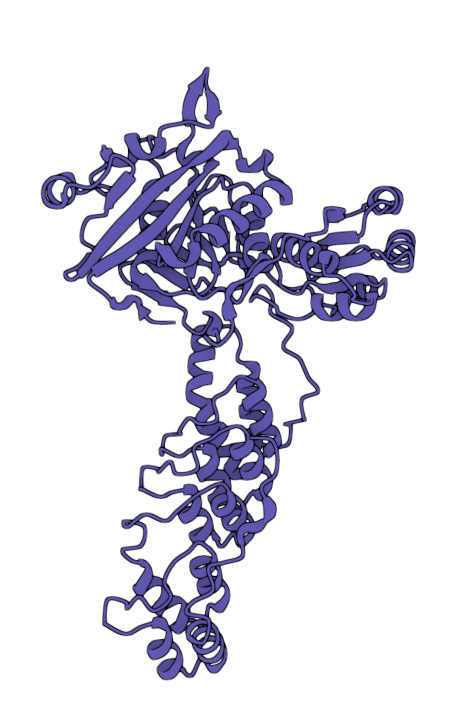
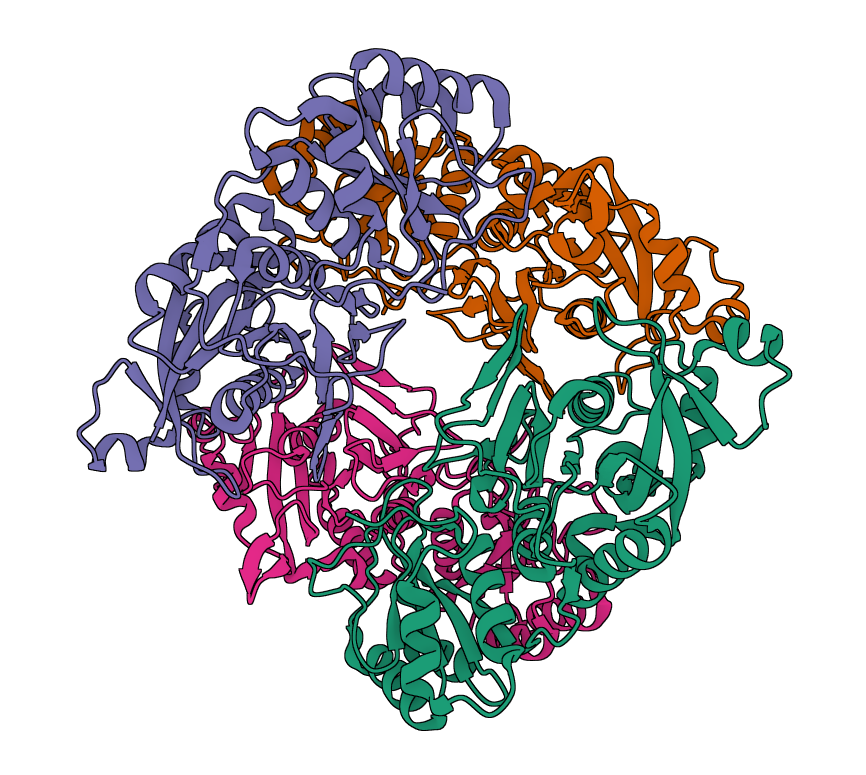
Family 14 contains the metazoan l‑asparaginases, many of these are named 60 kDa lysophospholipase (LPP60) due to homology to the Rattus norvegicus LPP60 (O88202), also found in this family, which in addition to l‑asparaginase activity presents lysophospholipase, transacetylase and acetylhydrolase activities. Most of the sequences have ankyrin repeats, but their function is unknown in this case, and an additional alpha helix in the N-terminal l‑asparaginase domain, when compared to sequences in other families. The Cavia porcellus CpAI (H0W0T5) presents as a tetramer (dimer of two dimers) and has a surprisingly low KM when using l‑asparagine as a substrate, comparable to that of ErAII, and undetectable l‑glutaminase activity. In contrast, the human homolog, Homo sapiens HsAI (Q86U10), is an allosteric enzyme with low affinity to l‑asparagine.